
What Is Combat Fitness? A Complete Guide
What is combat fitness, and how is it different from a conventional workout? Combat fitness is a structured form of physical training that combines strength, endurance, speed, agility, coordination and controlled combat-inspired movement.
Its purpose is not simply to help someone lift more weight or run for longer. It prepares the body to move efficiently, react quickly and maintain control as physical demands increase.
A combat fitness program may use elements associated with boxing, kickboxing, martial arts conditioning and functional training. However, the exercises are selected and adapted according to the participant’s abilities, experience and objectives.
At COMBAFIT, combat fitness forms part of a broader training system that develops physical readiness, movement confidence, concentration and discipline. Participants do not need previous martial arts experience to begin.

What Does Combat Fitness Mean?
Combat fitness describes the physical qualities needed to move, react and continue performing during combat-related or physically demanding activity.
These qualities can include:
-
Functional strength and power
-
Cardiovascular endurance
-
Speed and acceleration
-
Agility and reaction
-
Balance and body control
-
Mobility and movement efficiency
-
Neuromuscular coordination
-
Concentration under pressure
A conventional fitness program may address some of these areas individually. Combat fitness brings them together within movement patterns and training situations that require the participant to coordinate the body, make decisions and manage effort.
For example, a participant may combine footwork, defensive movement, striking patterns and bodyweight exercises within the same training sequence. This challenges physical fitness while also developing timing, awareness and control.
The exact content depends on the participant. A beginner developing general fitness should not receive the same training demands as an experienced martial artist or an athlete preparing for competition.
Is Combat Fitness the Same as Martial Arts?
Combat fitness and martial arts are related, but they are not identical.
Martial arts training primarily teaches the technical system of a particular discipline. This may include striking, kicking, blocking, grappling, forms, tactics, rules and discipline-specific skills.
Combat fitness focuses more directly on the physical qualities that support those activities. It can help develop the strength, endurance, speed, balance and coordination needed to perform movement effectively.
A person can therefore participate in combat fitness without training to fight or compete. Exercises can be performed individually, with training equipment or through controlled partner activities appropriate to the participant’s level.
For martial artists, combat conditioning can complement technical practice. For other participants, it offers a dynamic way to improve overall fitness and movement confidence.
COMBAFIT physical preparation does not replace technical instruction from a qualified martial arts coach. Instead, it can support the body behind the technique.
How Is Combat Fitness Different From a Traditional Workout?
Traditional gym programs often separate fitness into individual activities. A participant may complete strength exercises, use a cardiovascular machine and perform mobility work as separate parts of a session.
Combat fitness can connect these qualities through more integrated movement.
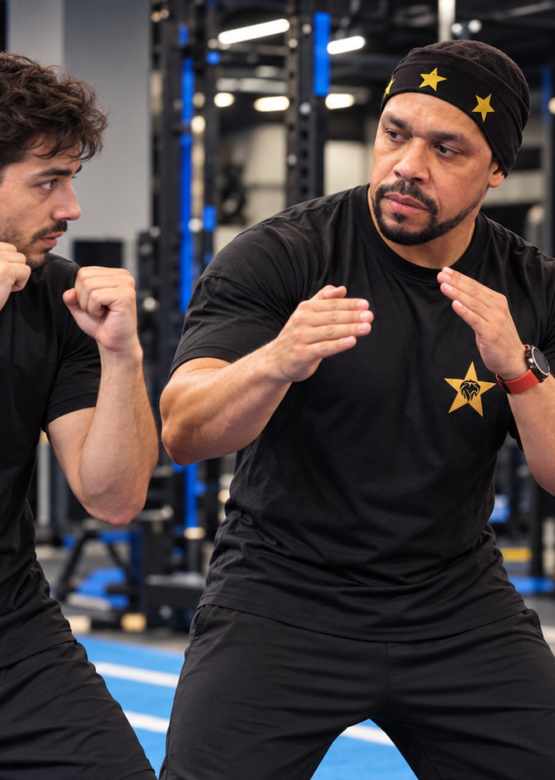
A training sequence might require someone to move between different directions, maintain balance, coordinate the upper and lower body, control breathing and respond to instructions while becoming physically tired.
This makes the training useful for participants who want more than isolated exercise. It develops the ability to apply physical fitness while moving, reacting and concentrating.
The objective is not uncontrolled intensity. Effective combat fitness training should remain structured, progressive and appropriate to the person performing it.
The Main Components of Combat Fitness
1. Functional strength
Functional strength helps the body produce and control force during practical movement.
Combat fitness may use bodyweight exercises, resistance equipment, medicine balls, suspension systems, free weights or other training tools. Exercises can target the legs, upper body and core while teaching the participant to maintain posture and movement quality.
Strength work should support the participant’s goals rather than follow a generic bodybuilding routine.
2. Cardiovascular endurance
Combat-related movement often involves repeated periods of activity followed by brief opportunities to recover. Training may therefore use controlled intervals to develop cardiovascular endurance and recovery between efforts.
As the participant progresses, the duration, complexity or intensity of these intervals can be adjusted.
The objective is to continue moving effectively without allowing fatigue to completely disrupt posture, breathing or coordination.
3. Speed and reaction
Speed is not only about moving as quickly as possible. It also involves recognising information, choosing an appropriate response and performing it efficiently.
Reaction exercises may use visual instructions, verbal commands, targets or controlled changes of direction. These activities can develop concentration and the connection between the nervous system and the muscles.
4. Agility and footwork
Footwork helps a participant change direction, manage distance and maintain balance.
Agility exercises can include forward, backward, lateral and rotational movement. The emphasis should be on controlled positioning before greater speed is introduced.
Good footwork supports general athletic movement as well as boxing, kickboxing and other combat sports.
5. Balance and body control
Combat fitness frequently challenges the body while weight is being transferred between positions.
Balance training teaches participants to stabilise the body, recover their position and remain controlled during movement. This can be particularly useful when learning new movement patterns or developing confidence.
6. Coordination
Punching, kicking, stepping, rotating and defending can require several parts of the body to work together.
These exercises challenge neuromuscular coordination, which refers to how effectively the brain and muscles communicate during movement.
Coordination develops through practice and appropriate progression. Beginners should first learn simple patterns before performing faster or more complex combinations.
7. Mobility
Mobility allows the body to move through an appropriate range while maintaining control.
Combat fitness programs may include dynamic preparation, joint mobility and movement-specific exercises. Mobility requirements vary between individuals, so exercises should reflect the participant’s current abilities rather than forcing unsuitable positions.
8. Mental focus
Combat-inspired training requires attention. The participant may need to remember a sequence, respond to instructions, control effort and maintain technique while becoming tired.
This can encourage concentration, patience and disciplined performance. The objective is not to create unnecessary stress, but to develop the ability to remain composed during an appropriate physical challenge.
What Happens During a Combat Fitness Session?
A well-structured session usually begins with preparation rather than immediate high-intensity exercise.
The exact format can vary, but a session may include:
-
A short review of the participant’s condition and objectives
-
Mobility and movement preparation
-
Technical practice of selected movement patterns
-
Strength, speed or coordination exercises
-
Combat-inspired conditioning
-
Controlled recovery and a session review
A beginner might practise stance, simple footwork and basic coordinated movements at a comfortable pace. A more experienced participant might complete more complex combinations, reaction exercises or demanding conditioning intervals.
Training should progress only when the participant can demonstrate sufficient control and readiness.
What Are the Benefits of Combat Fitness?
The benefits depend on the participant’s starting point, training frequency, recovery and program design. A suitable combat fitness program may support:
-
Greater functional strength
-
Improved cardiovascular endurance
-
Better balance and coordination
-
Faster reactions
-
Greater movement confidence
-
Improved agility and body control
-
Increased physical readiness
-
Better concentration during demanding exercise
-
A more engaging approach to fitness
-
Physical conditioning for martial arts practice
Combat fitness may also appeal to people who lose motivation with repetitive gym routines. The variety of movements and training objectives can make sessions feel purposeful and engaging.
However, no training method produces identical results for everyone. Progress requires consistent practice, appropriate recovery and a program adapted to the individual.
Who Can Participate in Combat Fitness?
Combat fitness can be adapted for different ages, abilities and objectives.
Beginners
Beginners can start with fundamental movement, balance, coordination and manageable conditioning. Previous martial arts experience is not required.
The coach should explain each exercise clearly and establish a suitable starting point before increasing complexity.
Adults developing general fitness
Adults may use combat fitness to improve strength, endurance and mobility through varied training. The program can be adjusted around work schedules, previous experience and current physical capabilities.
Children and young people
Age-appropriate combat fitness can help children and young people develop movement skills, coordination, confidence, focus and discipline.
Training for younger participants must be designed around their age and stage of development. It should not simply reproduce an adult workout at a lower intensity.
Martial artists
Practitioners of kickboxing, Muay Thai, taekwondo and other martial arts may use combat conditioning to support their technical training.
The physical program should reflect the movements, training schedule and demands of the participant’s particular discipline.
Athletes
Athletes may benefit from selected combat-inspired exercises that develop coordination, reaction, agility and conditioning. The program should complement their main sport and avoid interfering with competition preparation or recovery.
People preparing for physically demanding roles
Some participants need strength, endurance, awareness and controlled performance for physically demanding professional environments.
Their training should be designed around the actual requirements of the role. Specialist professions, including personal protection and security work, may also require recognised technical instruction, certification and compliance with local regulations beyond general combat fitness.
Is Combat Fitness Suitable for Beginners?
Yes, provided that the program is adapted correctly.
A beginner should not be expected to perform advanced combinations or intense conditioning from the first session. Training can begin with simple movement patterns and gradually introduce new physical challenges.
Before starting, the coach should consider factors such as:
-
Age
-
Current activity level
-
Previous training experience
-
Movement capabilities
-
Relevant injuries or limitations
-
Personal objectives
-
Training availability
-
Preferred training environment
This information helps establish a safe and realistic starting point.
Anyone with a medical condition, injury, persistent pain or concern about exercise should seek appropriate medical advice before beginning a new training program.
How COMBAFIT Approaches Combat Fitness
COMBAFIT is an integrated training system combining fitness, martial arts movement and progressive physical development.
Its methodology recognises that every participant begins with different abilities, experience and objectives. Training is therefore selected or created around the individual rather than requiring everyone to follow an identical routine.
A COMBAFIT program may combine:
-
Functional strength
-
Cardiovascular conditioning
-
Martial arts movement
-
Speed and agility
-
Balance and coordination
-
Mobility
-
Reaction exercises
-
Controlled performance under pressure
Training difficulty, volume and intensity are adjusted over time. Progress is reviewed so the program can continue reflecting the participant’s development and changing goals.
Programs may be delivered individually or in groups, indoors or outdoors, at home, in an appropriate training facility or through online coaching.
How to Start Combat Fitness Training
The best starting point is an assessment or consultation.
Tell the coach about your current activity level, previous experience, physical limitations and goals. Be clear about whether you want to improve general fitness, complement martial arts practice, prepare for athletic performance or develop broader physical readiness.
A responsible coach should explain:
-
What the program will involve
-
Why particular exercises were selected
-
How difficulty will be adjusted
-
How progress will be reviewed
-
What you should do between sessions
-
When an exercise needs to be modified
You do not need to arrive in excellent physical condition. The purpose of an appropriate starting assessment is to meet you at your current level and establish a structured path forward.
Frequently Asked Questions
Does combat fitness teach you how to fight?
Combat fitness develops physical qualities and may use martial arts-inspired movements. It does not automatically provide complete martial arts, self-defence or personal-protection training. Those objectives require specialist technical instruction and controlled practical training.
Do I need martial arts experience?
No. Beginners can start with fundamental movements and conditioning appropriate to their abilities. Exercises become more complex as coordination, fitness and confidence improve.
Can combat fitness help with weight management?
Combat fitness can contribute to an active lifestyle and increase physical activity. Weight management is also influenced by nutrition, sleep, health, daily activity and other individual factors. Specific results cannot be guaranteed.
Is combat fitness only for young or highly fit people?
No. Exercises, duration and intensity can be adapted for different ages and fitness levels. An initial assessment helps determine the appropriate starting point.
How often should I train?
The appropriate frequency depends on your current level, objectives, recovery, schedule and other physical activities. Some participants begin with two structured sessions per week, while others require a different schedule.
Where can COMBAFIT training take place?
Depending on the selected program, training may be available individually or in groups, indoors or outdoors, at home, in a sports facility or online.
Build Your Combat Fitness With COMBAFIT
Combat fitness is more than completing a hard workout. It is the progressive development of strength, endurance, movement, coordination and the ability to remain controlled as physical demands increase.
COMBAFIT starts with the participant. Your current abilities, experience, availability and objectives help determine the right program and training progression.
Ready to identify your starting point?
Complete the COMBAFIT training assessment and tell us about your level, experience and goals. We will help you explore the most suitable path for your development.
REQUEST YOUR COMBAFIT ASSESSMENT
-
By combafitadmin
- October 6, 2026
Combat Fitness for Beginners: What to.
Combat fitness for beginners provides a structured and accessible way to improve physical conditioning while learning.
Read More -
- September 27, 2026
Combat Fitness vs Traditional Gym Training:.
When comparing combat fitness vs gym training, the best choice depends on your goals, preferences and.
Read More